







Search Results for: coffee brand marketing
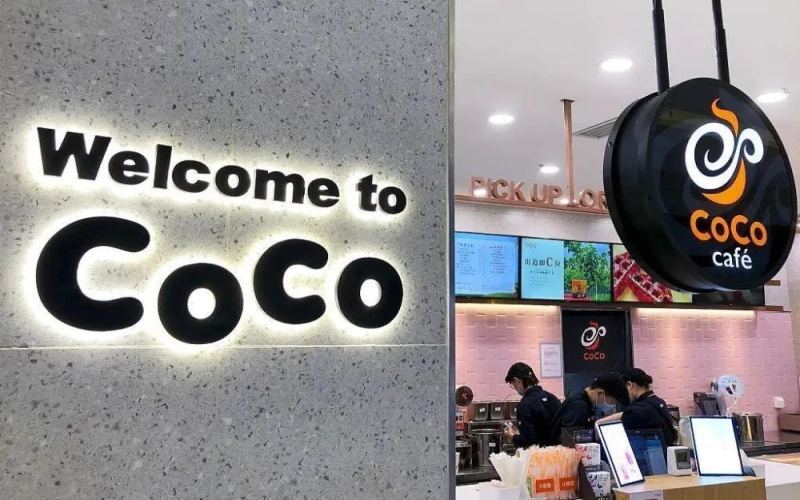
New-style tea brands are crossing over into the coffee sector, intensifying the battle for a hundred-billion market.
In recent years, new-style tea beverage brands have no longer been content with their original track and have turned their eyes toward the coffee sector. From Tea Yanyuese launching an independent coffee brand, to Heytea investing in a specialty coffee chain, and then Naixue Tea taking a stake in AOKKA, cross-sector moves have been frequent. At the same time, Mixue Ice Cream & Tea had long been deeply cultivating the coffee market with "Lucky Cup," and CoCo都可 was even earlier, taking the lead in testing the waters back in 2014. As China's coffee market scale approaches 500 billion, capital and companies of all kinds are accelerating their entry, and the number of financing events has surged. This article will sort out the journey of new-style tea beverage brands entering the coffee track, key cases, and market data, and explore the strategic considerations and industry impact behind this trend. [more…]
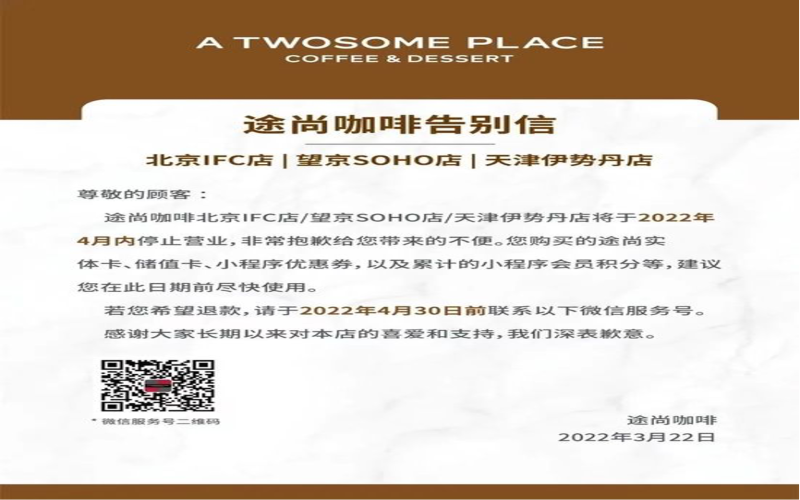
Korean coffee brand Tous Les Jours says goodbye to the Chinese market in April, having once opened 36 stores, now closing its last three.
Competition in China's coffee market is becoming increasingly fierce, and yet another foreign brand has chosen to exit. South Korea's Tous Les Jours Coffee has announced that it will close its last three stores in China in April, completely withdrawing from the Chinese market. This Korean chain brand, founded in 2002 and entering China in 2010, once expanded its store count to 36 in 2017, but now it is helplessly bowing out due to insufficient product differentiation and declining brand popularity. Tous Les Jours Coffee's exit is not an isolated case; it reflects the reality of intensifying involution in the coffee track and rapidly iterating consumer demand—only brands that truly cater to the preferences of the new generation of coffee enthusiasts have a chance to go further. [more…]
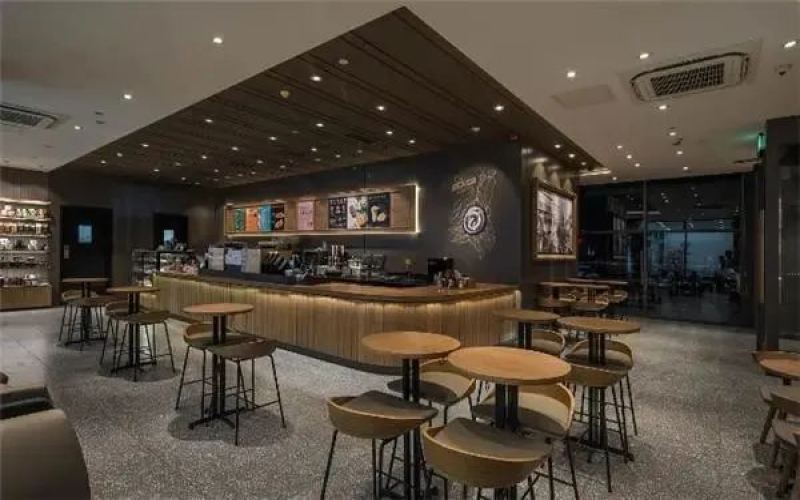
China's branded coffee shop count has leapt to the top worldwide, accelerating the reshaping of the East Asian market landscape.
The latest annual report on the East Asian coffee market shows that China has overtaken the United States to become the country with the most branded coffee shops in the world. Over the past year, China's total number of coffee shops reached 49,691, a year-on-year increase of 58%, far outpacing the United States. This growth was mainly driven by domestic chain brands such as Luckin Coffee and Cotti Coffee, which together added more than 11,000 net new stores. At the same time, other East Asian markets such as Malaysia and the Philippines also showed double-digit growth, and Asian domestic chain brands are gradually going international, shaking the position of traditional giants such as Starbucks. The report points out that Chinese consumers' enthusiasm for coffee continues to heat up, with 20% of respondents visiting coffee shops every day, and convenient small-format stores have become the mainstream. Front Street Coffee will also continue to follow this rapidly evolving coffee landscape for you. [more…]
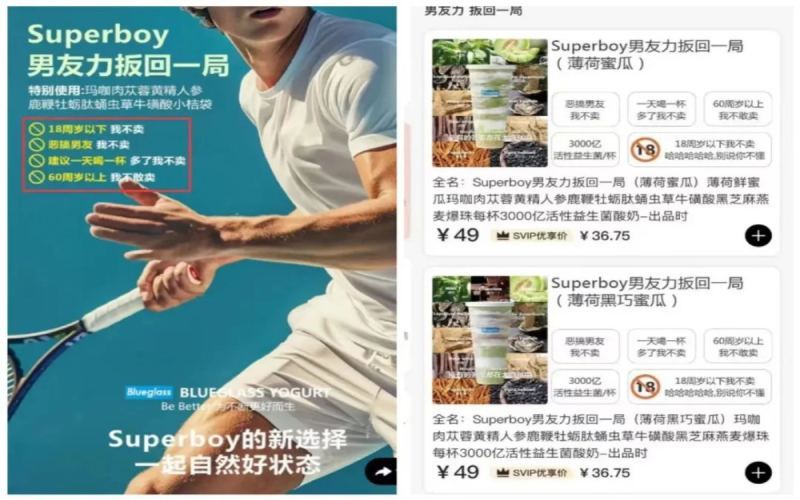
Yogurt brand Blueglass launches "Boyfriend Power" series, controversial suggestive advertising triggers dispute and regulatory investigation
Recently, the yogurt brand Blueglass launched the "Superboy Boyfriend Power Comeback" series, adding traditional Chinese medicine ingredients such as Cistanche, Polygonatum, ginseng, deer whip, and oyster peptides. The intention might have been to promote a health concept, but it was questioned for borderline marketing due to the poster labeling it "18+" and suggestive copy. Similarly, Coconut Palm brand coconut juice was fined 400,000 yuan for vulgar advertising slogans, yet it generated over 5 billion yuan in sales. In an era where traffic is king, eye-catching marketing emerges endlessly, but not all of it yields good results. After Blueglass was exposed, the Shanghai Municipal Administration for Market Regulation has launched an investigation, and the relevant copy was revised and republished. However, the negative label brought by borderline marketing may not be easily erased from consumers' minds. [more…]
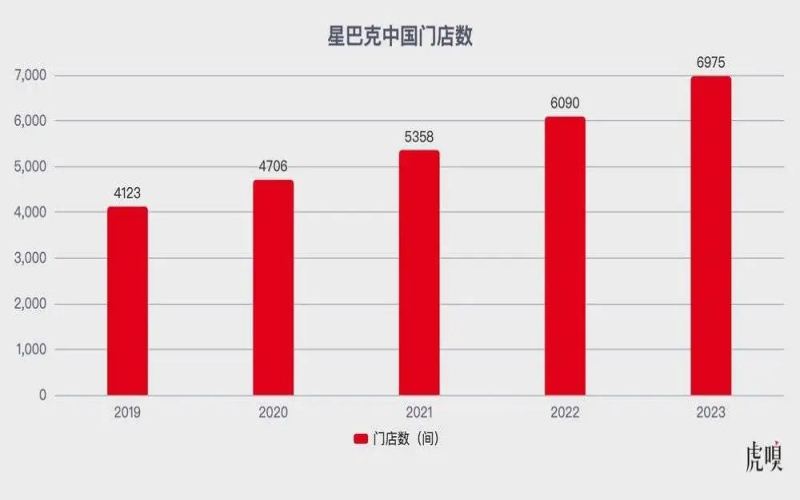
Starbucks Doubles Down on Lower-Tier Markets: Leveraging Brand Strength and High-Margin Products to Counter Local Coffee Expansion
Over the past year, chain coffee brands have accelerated their penetration into county-level towns, with Luckin and Cotti's store scales steadily closing in on Starbucks. Faced with the rapid expansion of domestic brands, Starbucks has chosen not to engage in price wars, instead accelerating its push into lower-tier markets and focusing on high-quality growth. Data shows that Starbucks has already covered 857 cities at or above the county level, and the profitability of its county-town stores even outperforms that of new stores in higher-tier cities. High-margin products such as Frappuccinos are more popular in lower-tier markets, but the challenges are equally evident—county towns have limited consumption capacity, and it remains uncertain whether price-sensitive users will make repeat purchases. Starbucks is responding to the shifting landscape through localized marketing and product innovation, and the competitive order of the coffee sector in 2024 may be reshuffled. [more…]
Can Tims China Catch Up? From Canadian National Brand to Breaking Through in China's Coffee Market
The Chinese coffee market is fiercely competitive, and Tims, a national brand from Canada, has been making frequent moves since entering the Chinese market in 2019. From its initial goal of 1,500 stores in ten years, to securing successive rounds of financing and forming strategic partnerships with Metro and Sinopec EasyJoy, Tims China is accelerating its expansion with a "coffee + bakery" combination and a pricing strategy of 15 to 30 yuan. At the same time, its process of listing in the United States has also attracted much attention. Will Tims ultimately move toward Luckin's internet-driven path, or Starbucks' third-space model? This article sorts out Tims China's development trajectory and strategic layout, taking you to explore the path of this young brand breaking through in China's coffee market. [more…]

Coffee machine ad featuring a semi-nude model sparks outrage—why does borderline marketing keep happening despite repeated bans?
In recent years, brand marketing tactics have proliferated, but some approaches frequently cross the line. A certain coffee machine brand sparked strong public backlash for using semi-nude models to demonstrate product settings in its advertising. From skin color hinting at concentration levels to scenes of kneeling to brew coffee, this series of moves was not only vulgar but also involved the objectification of women and racial bias. Although customer service claimed there was no violation, the images were quietly replaced. This article takes a deep dive into the brand logic behind this controversy, exploring why borderline marketing persists despite repeated bans and what real costs it brings to brands. For coffee lovers, we should focus more on the coffee itself rather than being led astray by gimmicks. [more…]
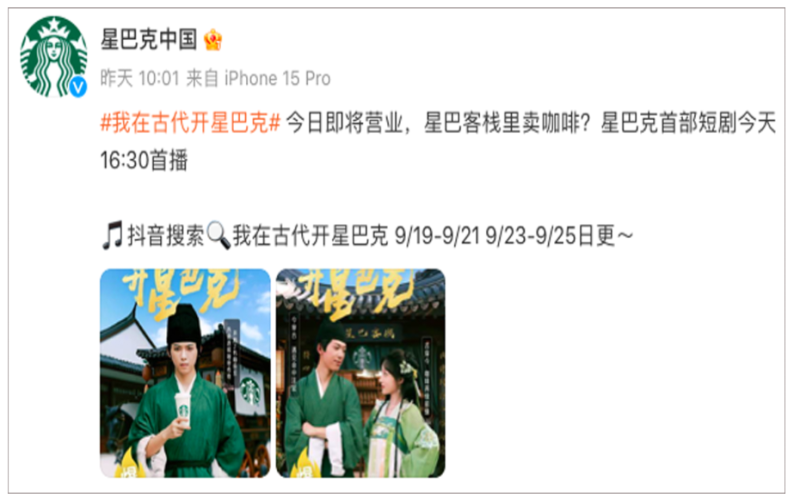
Starbucks Launches Its First Branded Short Drama "I Opened a Starbucks in Ancient Times," as Tea Brands Rush into Short Drama Marketing
Starbucks China recently launched its first brand-customized short drama on Douyin, titled "I Opened a Starbucks in Ancient Times," telling the adventure story of a barista who travels back to ancient times to open a "Starbucks inn." The series consists of 6 episodes, with one episode updated daily, sparking heated discussion among netizens who find it "cringeworthy yet addictive." In recent years, short dramas have risen rapidly thanks to their concise format and fast pace, becoming a new frontier for brand marketing. Tea beverage brands such as ChaPanda and Mixuebingcheng have also dabbled in producing their own short dramas, weaving products and brand concepts into the storyline. However, naturally incorporating advertising into fast-paced narratives without annoying viewers remains a major challenge for brands. Whether Starbucks can tell its brand story well through short dramas this time remains to be tested by the market. [more…]

Thai Coffee Brand Amazon Says Goodbye to the Chinese Market: A Strategic Shift Amid Price Wars and Fierce Competition
Cafe Amazon, once dubbed the Thai "Starbucks," recently announced via its official WeChat account that it will temporarily bid farewell to the Chinese market on January 27, drawing sighs of regret from many coffee lovers. Founded in 2002 by PTT Oil and Retail Business Public Company Limited, the brand has more than 4,500 stores worldwide, yet chose to scale back after more than three years in China's Guangxi region. Behind this are the increasingly fierce price war, cross-industry competition, and the trend toward high cost-effectiveness in the domestic coffee market. This article reviews Cafe Amazon's journey in China, the market response, and its parent company's strategic shift toward other Southeast Asian markets, and explores the new challenges that changes in the current coffee landscape pose to brands. [more…]

How did the coffee market move from a slump to prosperity? An in-depth analysis of the 2020 industry transformation and future prospects
In 2020, the pandemic and financial scandals plunged the coffee industry into a wave of store closures, with brands like Starbucks, Luckin Coffee, and Coffee Box scaling back their offline operations. Yet amid the doubts, the coffee market quietly grew stronger, as an expanding consumer base, an influx of new brands, and innovative sales channels together pushed the industry into the spotlight. This article reviews the ups and downs of the past year, analyzes how the coffee market gradually won attention, and explores its future prospects. [more…]
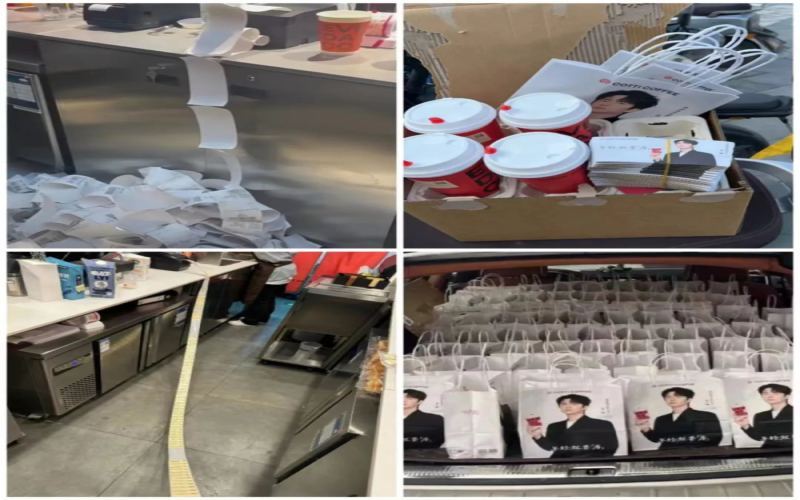
Celebrity endorsements spark hidden coffee brand wars? Can traffic-driven marketing truly retain consumers?
Competition in the coffee market is becoming increasingly fierce. The traffic-driving effects of price wars and co-branding campaigns are gradually weakening, and brands are beginning to shift their attention to fan groups willing to spend money on their idols. Recently, Cotti's official announcement of a new spokesperson triggered a surge in store orders, while a group-buy link in Luckin's livestream with a fan nickname prefix once again set public opinion abuzz. Is this a carefully planned business war or fans spontaneously generating momentum? Can celebrity endorsements bring sustained purchasing power to brands, and will they blur consumers' focus on coffee products themselves? This article will guide you through the business logic and hidden concerns behind this traffic marketing. [more…]
Tea Yan Yue Se's advertising copy sparks controversy, issues two apologies overnight—where are the boundaries of brand marketing?
Sexy Tea (Chayan Yuese) trended on social media after its advertising copy was accused of insulting women, and it issued two apology statements late on February 19 and in the early hours of February 20. The incident was triggered by the inappropriate use of Changsha slang such as "picking up scraps" on its cups, which sparked netizens' doubts about the brand's creative boundaries. The first apology failed to calm public opinion, and Sexy Tea then issued another statement, admitting that it had mishandled the boundaries in its early product creation and had removed the problematic products from sale. This controversy not only exposed the brand's missteps in using dialect slang and gender-relation jokes, but also prompted reflection on balancing marketing creativity with values. [more…]
Lele Tea Enters the Coffee Arena: Can Doudou Le Become the Next Big Hit?
In recent years, domestic demand for coffee has continued to climb, attracting many brands to enter the fray across industry lines. New-style tea drink brand Lelecha has also launched an independent coffee brand—Doudoule—and opened its first store in Shanghai. Previously, tea drink brands such as Naixue Tea had already stepped into the coffee sector, and the integration of tea drinks and coffee is becoming a new industry trend. Doudoule continues Lelecha's strict quality requirements, launching products such as the Dirty series coffee, priced at 15-28 yuan. At the same time, Lelecha is continually closing the distance with young consumers through cross-industry marketing. This article will provide an in-depth analysis of Doudoule's features, market strategy, and the challenges it faces, and explore the prospects for tea drink brands expanding into coffee. [more…]
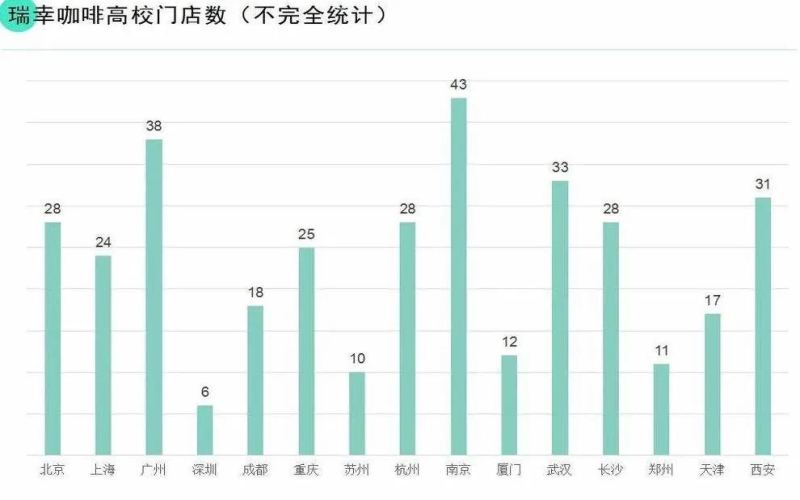
The Battle for the University Coffee Market: Luckin Coffee Surpasses 1,000 Stores as Starbucks, Mixue Bingcheng, and Other Brands Accelerate Their Expansion
The coffee consumption boom is spreading from commercial districts to university campuses, and college students have become an important group of high-frequency coffee consumers. Luckin Coffee has seized a first-mover advantage with more than a thousand campus stores, while brands such as Starbucks, Tims, Manner, M Stand, and NOWWA have also entered universities one after another, and Mixue Ice Cream & Tea's Lucky Cup is closely pursuing with about 260 campus stores. This article sorts out each brand's layout strategy, store data, and competitive situation on university campuses, and includes Front Street Coffee's specialty bean information, to help you understand the real landscape of the campus coffee track. [more…]
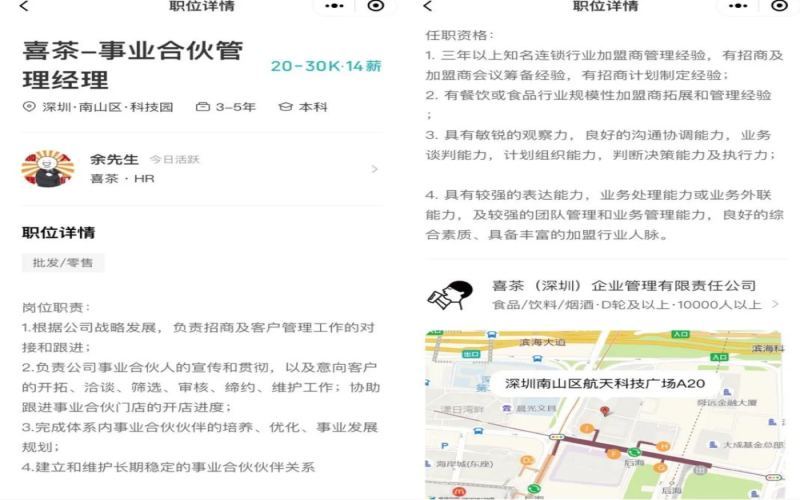
Heytea officially opens business partner franchising: investment within 500,000 yuan, focusing on small stores of about 50 square meters—can it leverage this to break through into lower-tier markets?
Following the closure of the last store of its sub-brand Xixiaocha, Heytea confirmed on November 3 that it will open franchising, with partnership fees kept under 500,000 yuan and franchise store formats primarily under 50 square meters. Heytea stated it will leverage a decade of accumulated experience and resources to develop its partnership business in non-first-tier cities with suitable store formats, providing partners with comprehensive support in branding, products, quality control, food safety, operations, training, and supply chain. In recent years, Heytea has accelerated its expansion into lower-tier markets, successively adjusting prices, launching IP collaborations, and shutting down its budget sub-brand. Opening franchising is now seen as a key step to further capture market share in third- and fourth-tier cities. Whether the new tea beverage sector will face a new round of involution, and whether direct-operated brand Nayuki will follow suit, remains worth watching. [more…]

Major brands are rushing into the coffee arena. Is this a new market opportunity or just a fleeting internet-famous fad?
In recent years, the coffee market has continued to expand, yet competitive pressure within the industry has also intensified. As the number of coffee shops surges, well-known companies such as Sinopec, Huawei, China Post, and Li-Ning have all made cross-industry forays into the coffee business, and the Weizhi Group behind Gold Roast cereal has also increased its investment. Some see this as a reflection of consumption upgrading, while others worry that a stampede of big brands into cross-industry ventures will ultimately end in a mess. Is cross-industry coffee a rational choice that follows market logic, or merely short-term marketing sustained by novelty alone? This article analyzes market data, brand advantages, and industry barriers to explore whether cross-industry coffee can shake off the label of "short-lived internet celebrity." [more…]
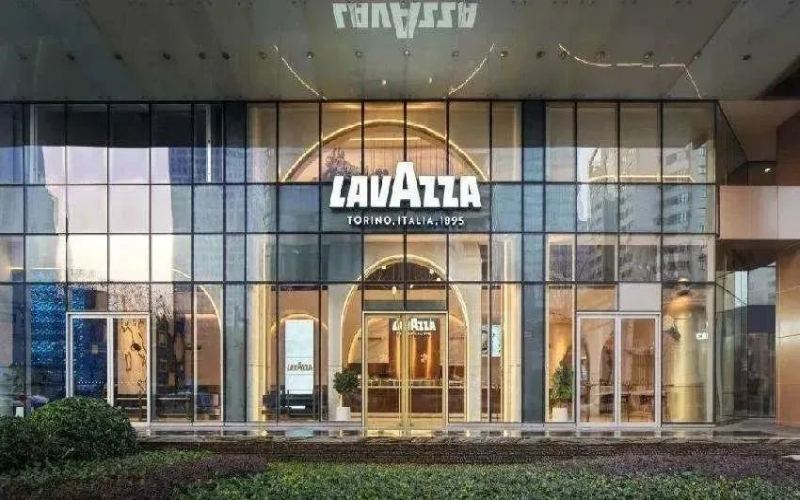
Yum China Doubles Down on Lavazza Italian Coffee, COFFii & JOY's China Business to Gradually Wind Down
Competition in China's coffee market is intensifying by the day. On one side, cross-industry giants such as Huawei, Li-Ning, and China Post are scrambling to enter the fray; on the other, some brands are quietly bowing out. Yum China has been making frequent moves lately: on one hand, it is going all in on the Italian coffee brand Lavazza, planning to open a thousand stores by 2025; on the other, it has announced that it will gradually cease operations of its COFFii & JOY brand in the Chinese market. What market logic does this advance-and-retreat reveal? Can Lavazza, armed with its authentic Italian DNA, break new ground outside the most fiercely contested price segment? This article walks you through the full picture of the events and the considerations behind them. [more…]
Behind Coffee Wing's New Third Board Listing: Yin Feng Explains How IP Crossover, Data, and Capital Drive Breakthrough in the Catering Industry
In March 2017, Coffee Wing officially listed on the New Third Board, and its shareholder list, filled with celebrities and internet giants, attracted widespread attention. At a sharing session hosted by Catering O2O, founder Yin Feng delivered a speech titled "The Capital Path of Cross-Border Catering Driven by Data and IP," systematically explaining the consumer changes in the Catering 3.0 era, the timing for going public, two strategic approaches, and Coffee Wing's business strategy centered on "IP, cross-border, data, and capital." This article presents the full essence of Yin Feng's speech, covering catering industry trends, brand building, user operations, and marketing innovation, offering in-depth reference for coffee enthusiasts and catering professionals. [more…]
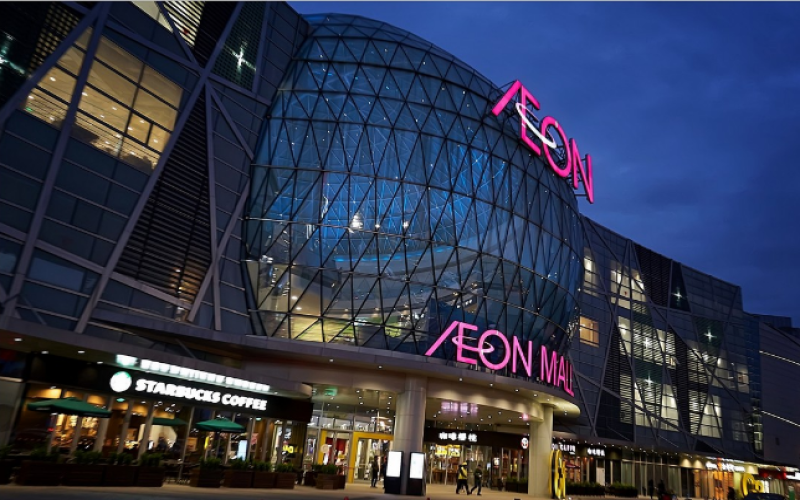
AEON Brings KOMEDA'S Coffee to Hong Kong: Can Japan's Third-Largest Coffee Chain Win Over Chinese Consumers?
Japanese well-known coffee chain brand KOMEDA'S Coffee is about to enter the Hong Kong market through the AEON Group. Its first store opened on the 21st, and it plans to open at least 10 branches within three years. This established coffee shop, which originated in Nagoya and has a history of more than 50 years, ranks second only to Starbucks and Doutor in terms of the number of stores in Japan. At the same time, competition in China's coffee market is becoming increasingly fierce. Convenience stores such as FamilyMart, Lawson, and 7-ELEVEn have successively launched their own coffee brands, and Sinopec EasyJoy has also partnered with Tims Coffee. Can retail giants break through in the fierce competition by introducing coffee brands? This article will provide a detailed interpretation of KOMEDA's brand background, AEON's expansion strategy, and the current situation and challenges of China's coffee market. [more…]
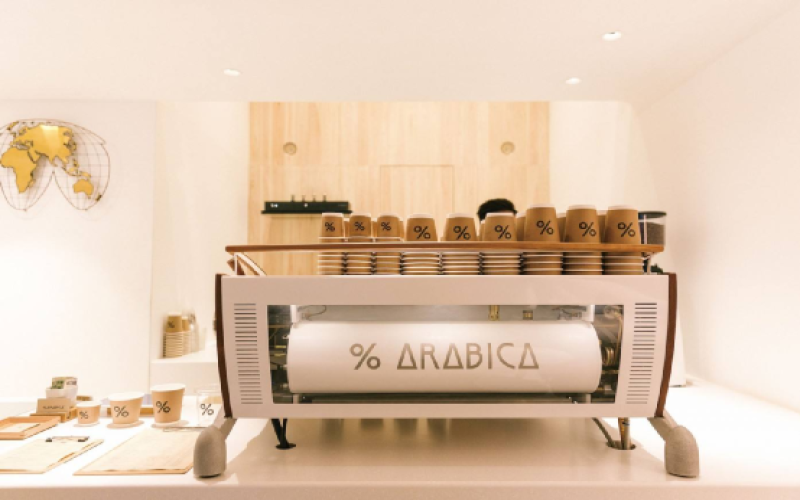
%Arabica's China operator Fumeng International plans to raise $300 million at a target valuation of $1.2 billion, bringing new challenges for specialty coffee expansion.
China's coffee chain market is expected to surpass 36,000 stores by 2025. Despite the pandemic repeatedly disrupting the food and beverage industry, the Chinese market is still regarded as a key growth engine for coffee brands both at home and abroad. Against the backdrop of a sharp pullback in financing enthusiasm, Fumeng International, the Chinese operator of the influencer specialty coffee brand %Arabica, is seeking about $300 million in new funding at a target valuation of $1.2 billion. The brand started with a minimalist visual style, gained popularity from Hong Kong to Arashiyama in Kyoto, and expanded rapidly after entering Shanghai in 2018. It now has 61 stores in mainland China, Hong Kong and Macau. However, as its locations become more mainstream and its influencer halo fades, %Arabica's balance between scale and specialty positioning has become a focus of attention. [more…]